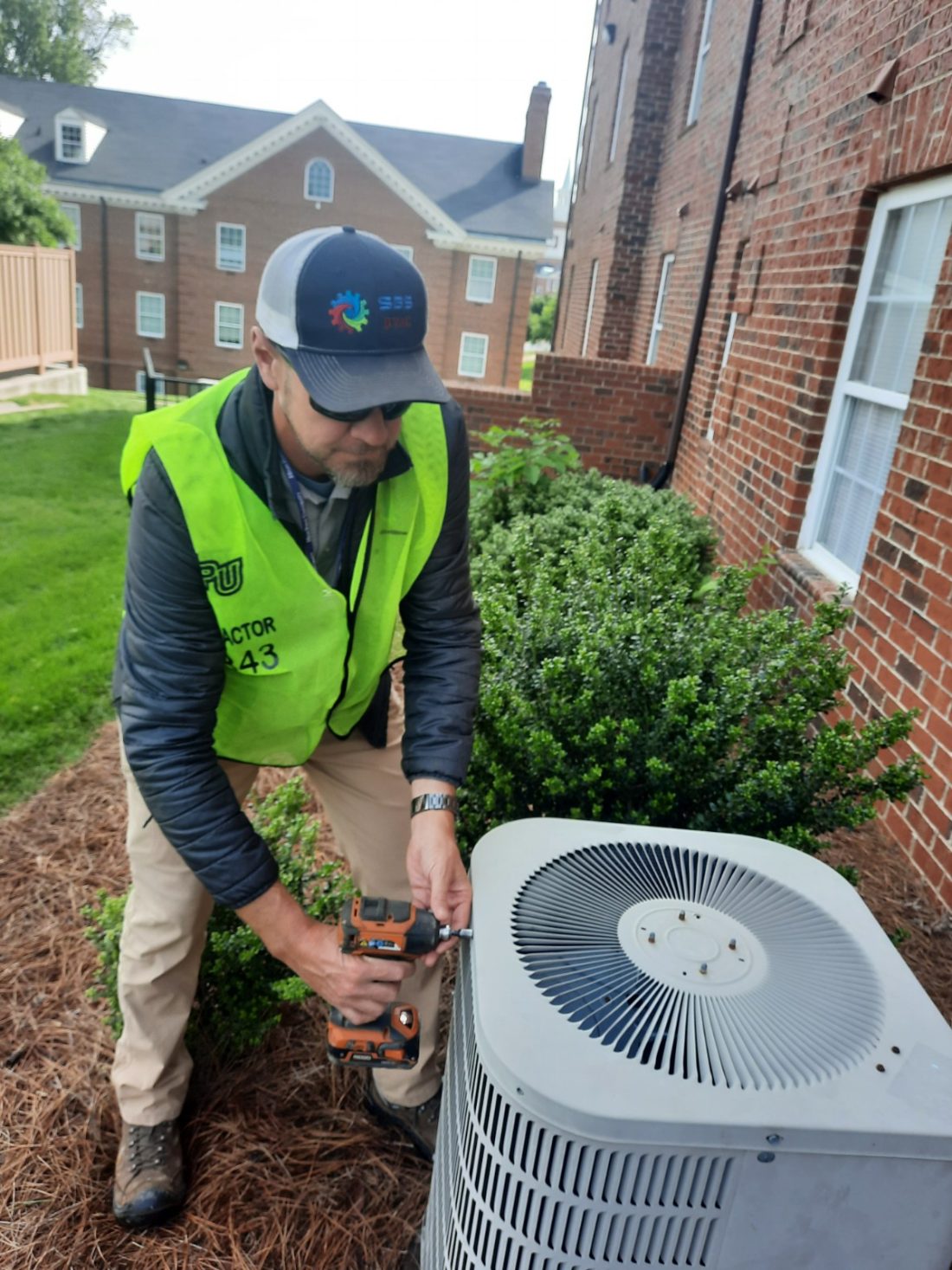
What a real PM visit includes
On a rooftop unit or split system, a proper visit covers: coil condition and cleaning, filter replacement, belt condition and tension, electrical inspection — contactors, capacitors, wire terminations, amp draws against nameplate — refrigerant circuit performance, condensate drain clearing and treatment, economizer and damper operation, and a controls check against setpoints. Every unit gets its own written report, so you can see condition trending across visits.
The energy line nobody sees
A dirty condenser coil can add 15 to 25 percent to a unit's energy draw before anyone notices a comfort problem, because the unit compensates by running longer. Across a fleet of rooftop units, coil cleaning and correct charge are usually the fastest payback in the building. You never get a line item for energy you did not waste — but it is real money every month.
Small parts, big failures
Most catastrophic HVAC failures start as five-dollar problems. A weak capacitor stresses a compressor for months before the compressor dies. A slipping belt burns out a blower motor. A clogged drain trips a float switch — or floods a ceiling. PM exists to catch the cheap version of the failure, on a scheduled visit at scheduled rates, instead of the expensive version on an emergency call.
Cadence: what to do how often
For most commercial buildings in the Carolinas, quarterly visits fit equipment with belts, economizers, and heavy runtime; semi-annual (spring and fall) suits lighter-duty units. Kitchens, manufacturing, and anything with heavy filter loading may justify monthly filter service between full visits. The right cadence comes from the equipment list — which is exactly how we quote it.
What it costs
Our PM pricing is per unit and published: $200 for the first RTU or split system at a site, $149 for each additional, and $149 on every unit once a site has four or more. Contract customers also get 24/7 emergency response and the trip fee waived on covered equipment.