4 Questions Every Facility Manager Should Ask Their Commercial HVAC Contractor
Four questions that take five minutes to ask and reveal exactly what kind of contractor you are about to sign with.
Read the article →
Why Self-Performing HVAC Contractors Outperform Third-Party Brokers
Where broker markup and slow response actually come from — and what changes when the company you call employs the technician on your roof.
Read the article →
What Commercial HVAC Preventive Maintenance Actually Covers — and Why It Matters
A real PM visit is a checklist, not a walk-past. Here is what should be on it, and what each line item is protecting you from.
Read the article →
The Financial Case for Multi-Site HVAC Preventative Maintenance
For a Greensboro operator with ten roofs, the question is not whether you pay for maintenance — it is whether you pay planned rates or emergency rates.
Read the article →
8 Unexpected Consequences of Putting Off Commercial HVAC Repairs
The repair you deferred does not wait quietly. Eight ways a known problem compounds while it sits on the list.
Read the article →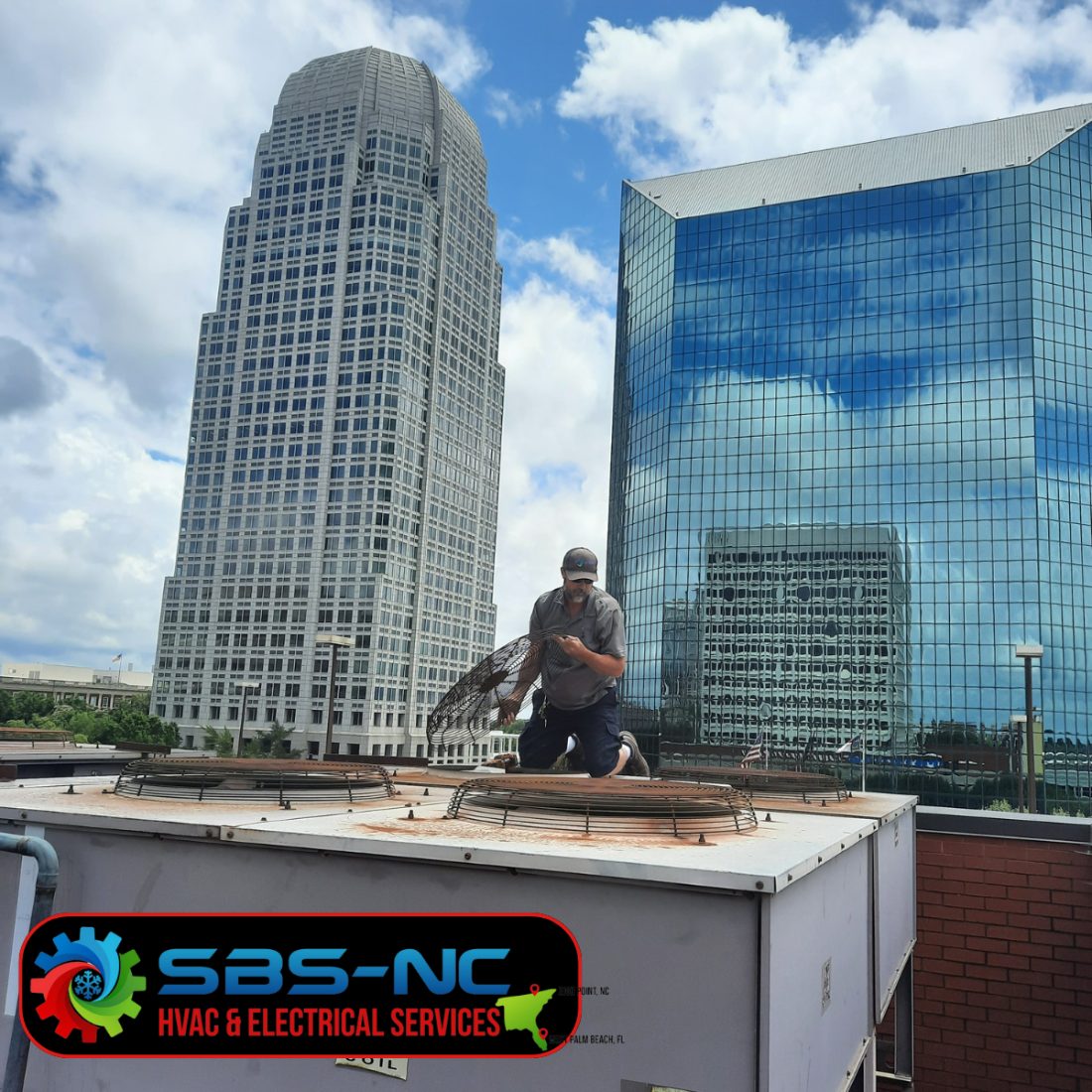
Understanding IEER: The Efficiency Number That Matters for Commercial HVAC
Your next rooftop unit will be sold on its IEER. Here is what the number actually measures and why part-load performance is where your money goes.
Read the article →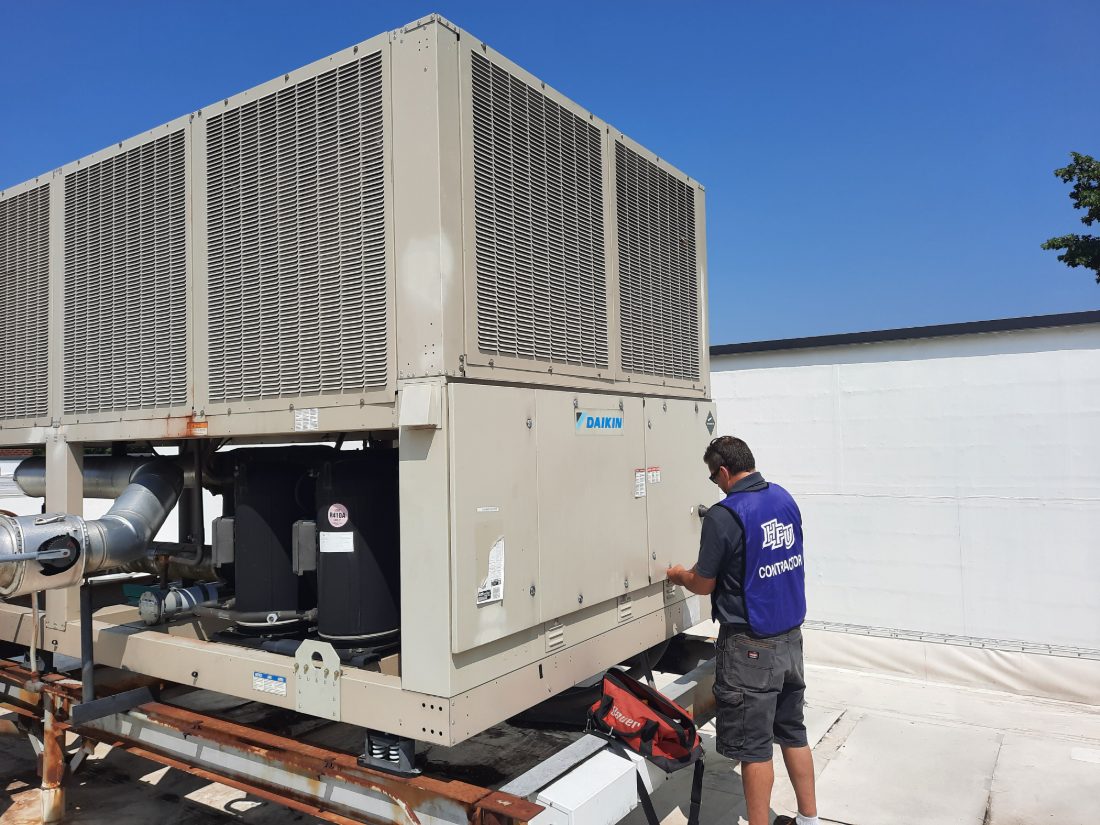
Commercial HVAC Compressors: Types, Failures, and Replacement Decisions
The compressor is the heart of the system and the most expensive part in the cabinet. What the types mean, why they die, and what to do when one does.
Read the article →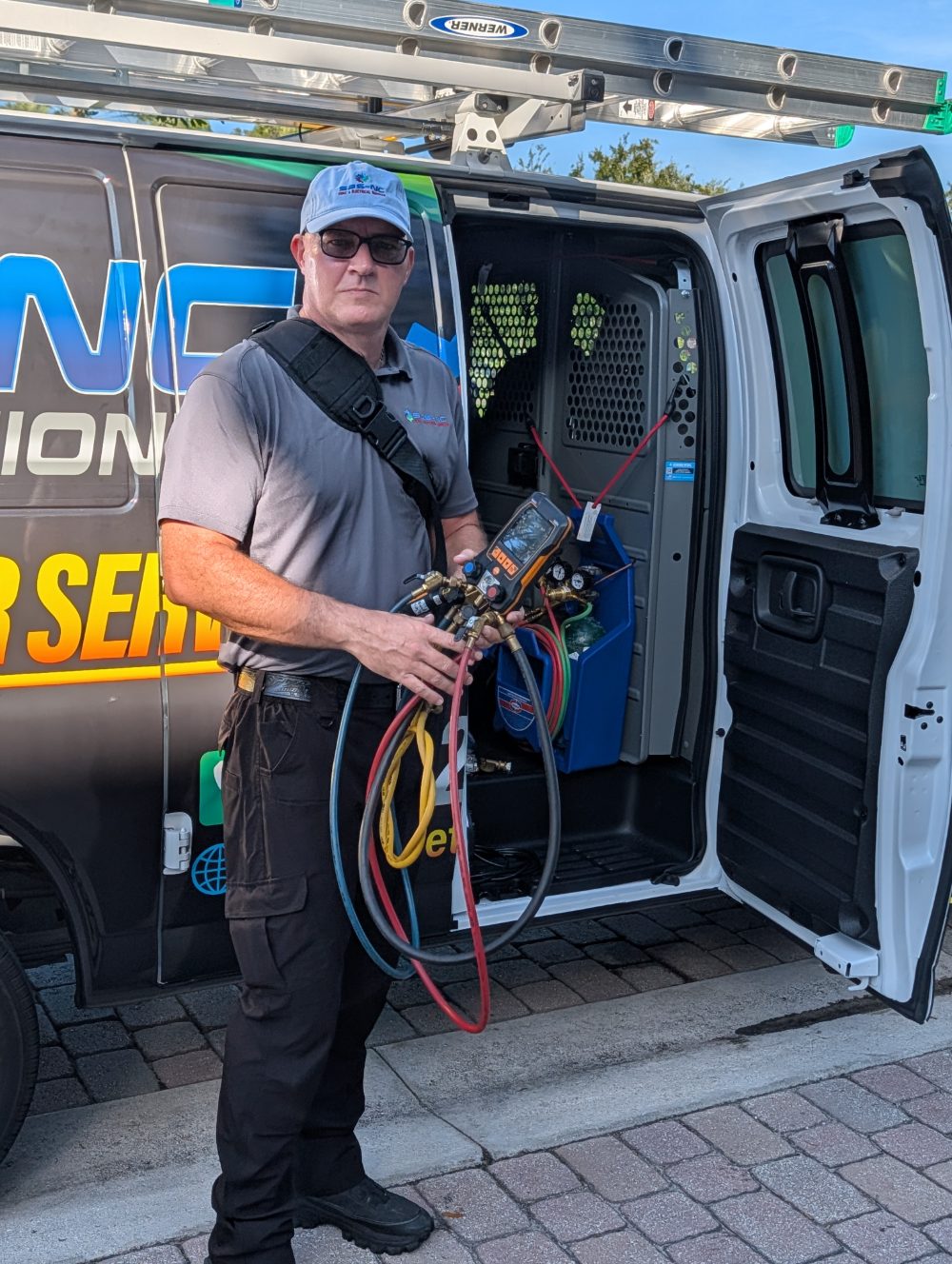
Reciprocating Compressors: The Workhorse That Won't Retire
Pistons, valves, and a crankshaft — the oldest compressor design in commercial HVAC is still everywhere. How it works, how it fails, and when it's still the right choice.
Read the article →
Screw Compressors: Big-Tonnage Cooling for Chillers and Industrial Loads
Two meshing rotors, no pistons, near-continuous flow — the compressor that carries big chillers and industrial loads, and the maintenance that keeps it spinning.
Read the article →
Centrifugal Compressors: How Large Chiller Plants Move Serious Tonnage
An impeller instead of a squeeze — the turbomachine at the heart of the biggest chiller plants, what 'surge' means, and why modern oil-free designs changed the game.
Read the article →
Semi-Hermetic Compressors: What They Are and Why They're Rebuildable
Bolted, openable, and rebuildable — the serviceable compressor that powers larger commercial equipment, and the maintenance that keeps it alive.
Read the article →
The Business Owner's Guide to Scroll Compressors
If your building has rooftop units made in the last twenty years, scroll compressors are what's inside. Here's how they work and how they fail.
Read the article →
What Are Rooftop Package Units (RTUs)? A Building Owner's Guide
The gray boxes on your roof do everything — heat, cool, ventilate — in one cabinet. What's inside, how long they last, and what they need from you.
Read the article →
Commercial Split System HVAC: Where It Fits and What It Needs
When the equipment can't all live on the roof, the system splits in two. Where commercial splits make sense and how to keep them reliable.
Read the article →
VRF HVAC Systems for Commercial Properties: A Practical Guide
One outdoor unit, dozens of indoor units, and refrigerant that flows exactly where it's needed. What VRF does well and what it demands in return.
Read the article →
Commercial Chillers: All You Need to Know
The one-machine backbone of larger buildings. How chilled water systems work, air-cooled vs. water-cooled, and what ownership really involves.
Read the article →
Cooling Towers: How They Work and What They Demand
The tower is where your whole plant's heat leaves the building — through evaporating water. That water is the asset and the liability.
Read the article →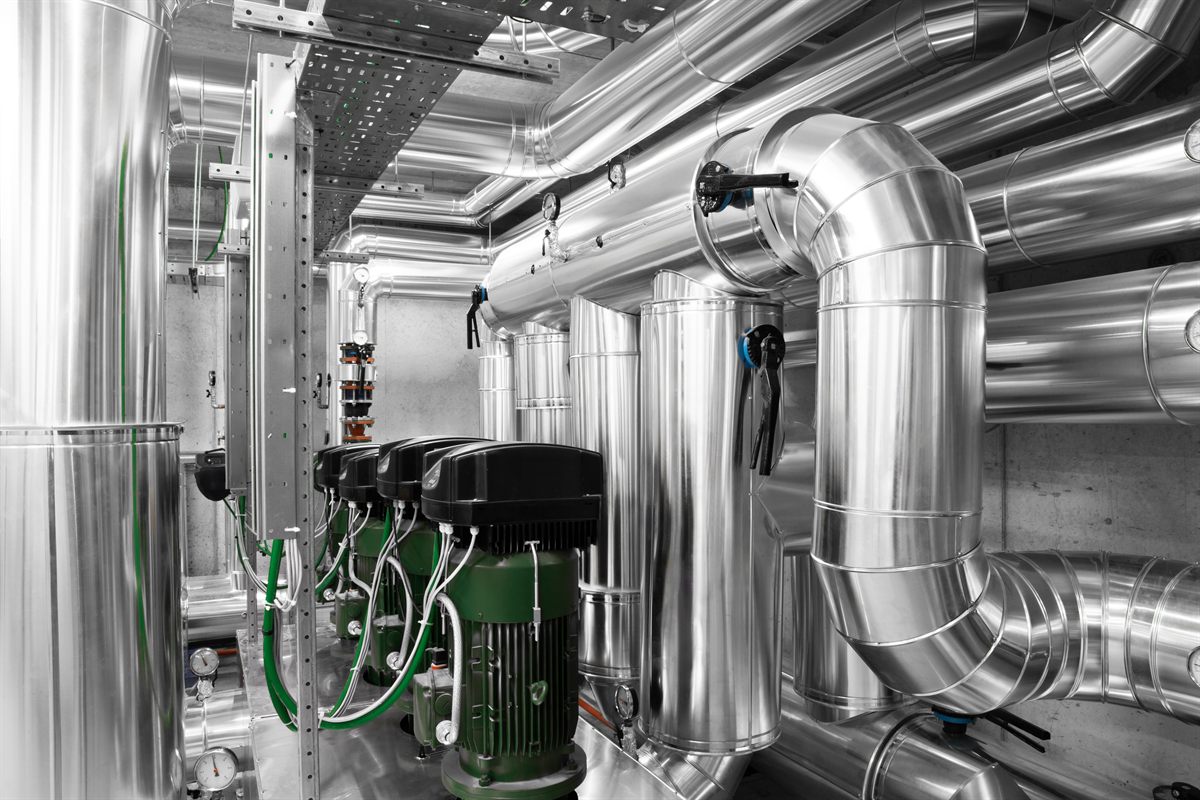
Commercial Boilers: Types, Maintenance, and Heating-Season Readiness
Fire-tube, water-tube, condensing — what the types mean, the maintenance that keeps inspections boring, and why fall readiness beats a January failure.
Read the article →
Chiller Not Working? What to Check Before You Call
What building staff can safely check in the first ten minutes, what usually turns out to be wrong, and the one habit that destroys compressors.
Read the article →
How Long Do Chillers Last? Repair vs. Replace for Winston-Salem Buildings
Typical lifespans, what shortens them, and a straightforward way to decide whether the next repair is worth it.
Read the article →
HVAC for Factories and Manufacturing Plants in Greensboro, NC
Factory HVAC isn't comfort cooling with bigger units. Make-up air, process loads, exhaust balance, and maintenance that can't stop the line.
Read the article →Have a question an article didn't answer?
Call and ask the people who do the work.